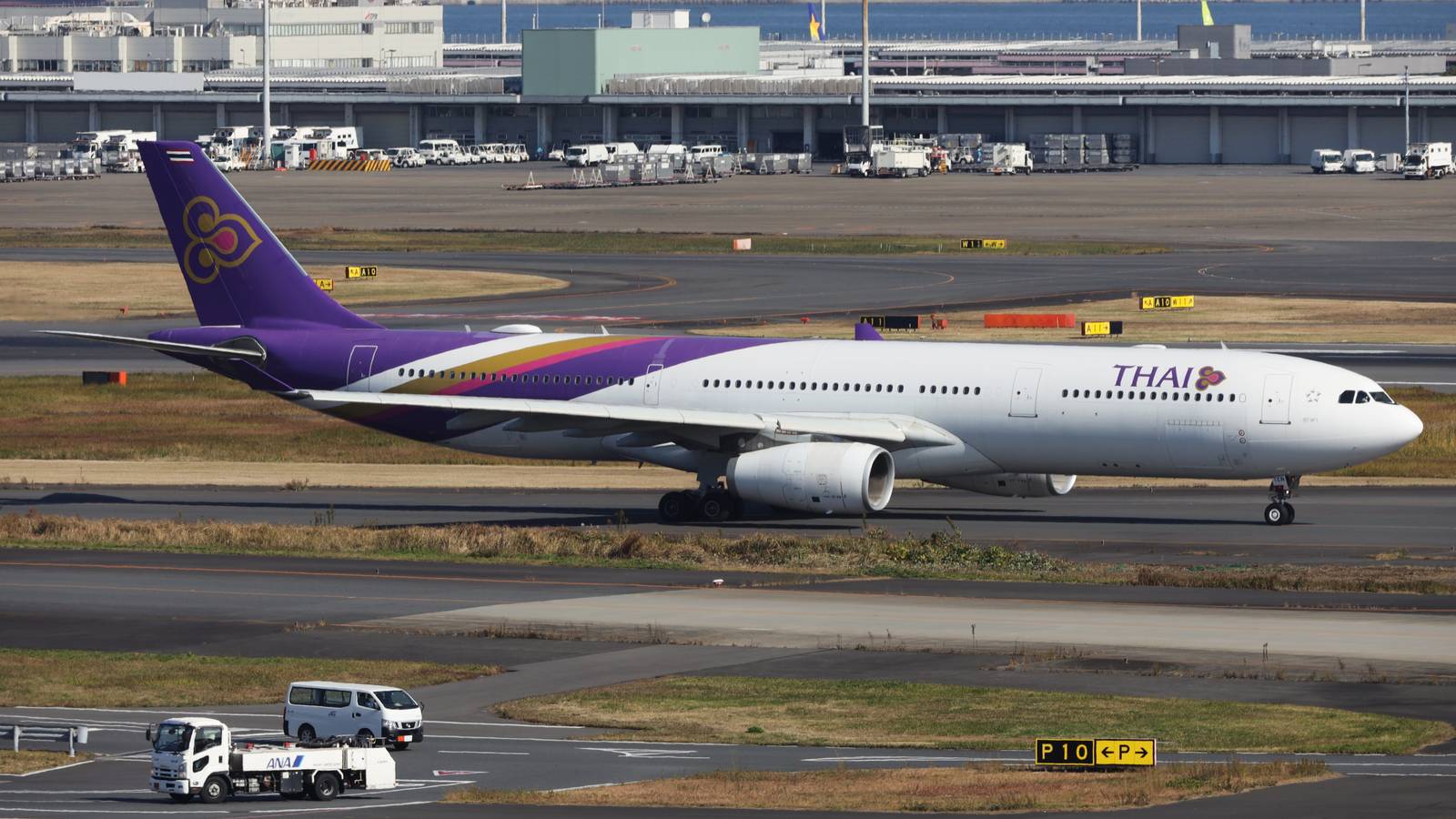
Airlines are innovating faster than ever, but traditional booking paradigms haven't kept up. A recent example illustrates the gap perfectly: Thai Airways' Premium Economy Plus. On select Airbus A330-300 routes, the carrier is selling seats labeled premium economy that are actually fully lie-flat seats — hardware that many would associate with business class.
The product works, passengers rest better, and the airline can offer a differentiated experience — yet for travelers, finding this seat is nearly impossible through conventional search tools.
Cabin Labels Are Losing Meaning
For decades, passengers relied on broad cabin labels — economy, premium economy, business, first — as proxies for comfort and amenities. Today, that assumption is increasingly unreliable:
- Airlines mix hardware and service across labels (lie-flat seats in premium economy, business-lite cabins with minimal privacy).
- Route-specific configurations create variations even within the same class.
- Ancillary services, seat layout, and soft product differences often outweigh the nominal cabin designation.
The Thai Airways example demonstrates that a cabin label no longer guarantees a traveler's desired experience. A passenger seeking rest might bypass a premium economy search, never realizing the optimal seat exists.
What Travelers Actually Want
What matters isn't the ticket label — it's the outcome:
"I want to sleep well." / "I need privacy and space." / "I want a productive workspace on board."
Current search systems force travelers to work within class categories, creating friction and missed opportunities. Comfort-oriented passengers may never see the flights that best meet their needs, while others overpay assuming class equals experience.
The Discovery Problem
Airline search systems still operate primarily on:
- Origin and destination
- Travel dates
- Cabin class
Attributes that actually define experience — lie-flat capability, aisle access, seat pitch, privacy, bedding, and soft product amenities — are rarely first-class search filters. The result: travelers can't find the flights that satisfy their intent until after booking, if at all.
Even AI assistants struggle because these product attributes are inconsistently exposed. Intent-based queries like "Find flights where I can lie flat and rest" cannot reliably return accurate results without structured product intelligence.
Why Attribute-Aware Discovery Matters
The solution isn't more complex cabin labels. It's discovery systems that understand what travelers are trying to achieve, then match flights based on real attributes:
- Seat type and layout
- Lie-flat capability and recline angles
- Privacy features and access
- Onboard amenities affecting comfort (bedding, food, lounge access)
This allows travelers to plan according to outcomes rather than proxies. Instead of searching "business class," they can search: "Flights where I can sleep comfortably overnight."
This shift is crucial as more airlines deploy hybrid products and as AI-driven planning becomes common.
A New Era of Travel Planning
Thai Airways' Premium Economy Plus illustrates a broader trend: cabin class alone no longer communicates value. Travelers increasingly care about specific experiences, and airlines increasingly offer differentiated products that traditional search fails to surface.
To maximize value, travel discovery must evolve from class-centric search to intent- and attribute-aware matching. Only then can travelers consistently find the flights that meet their real goals — whether it's rest, privacy, productivity, or overall comfort.
Because in today's complex airline networks, flying isn't about the cabin you book — it's about the experience you actually get.